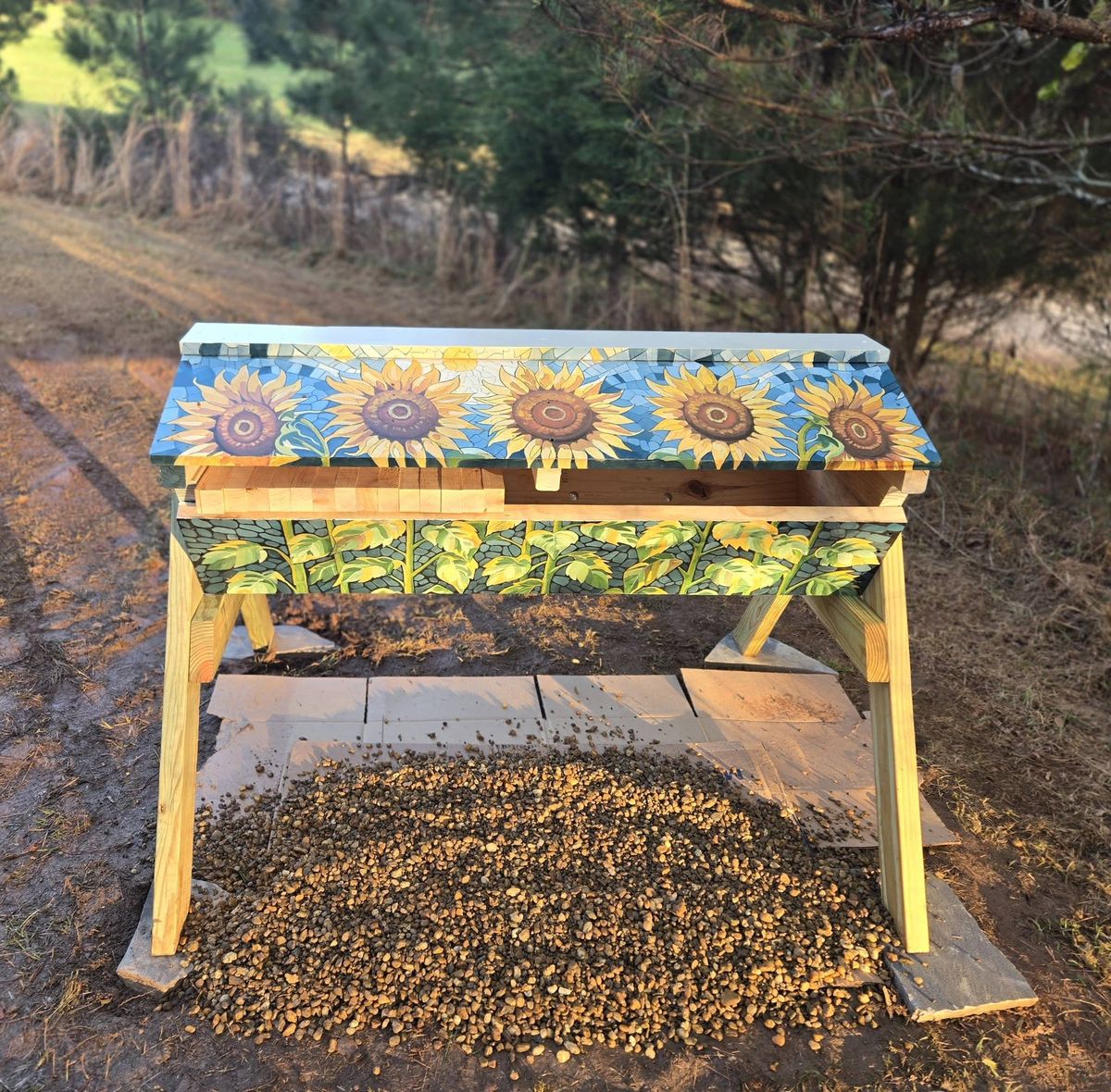
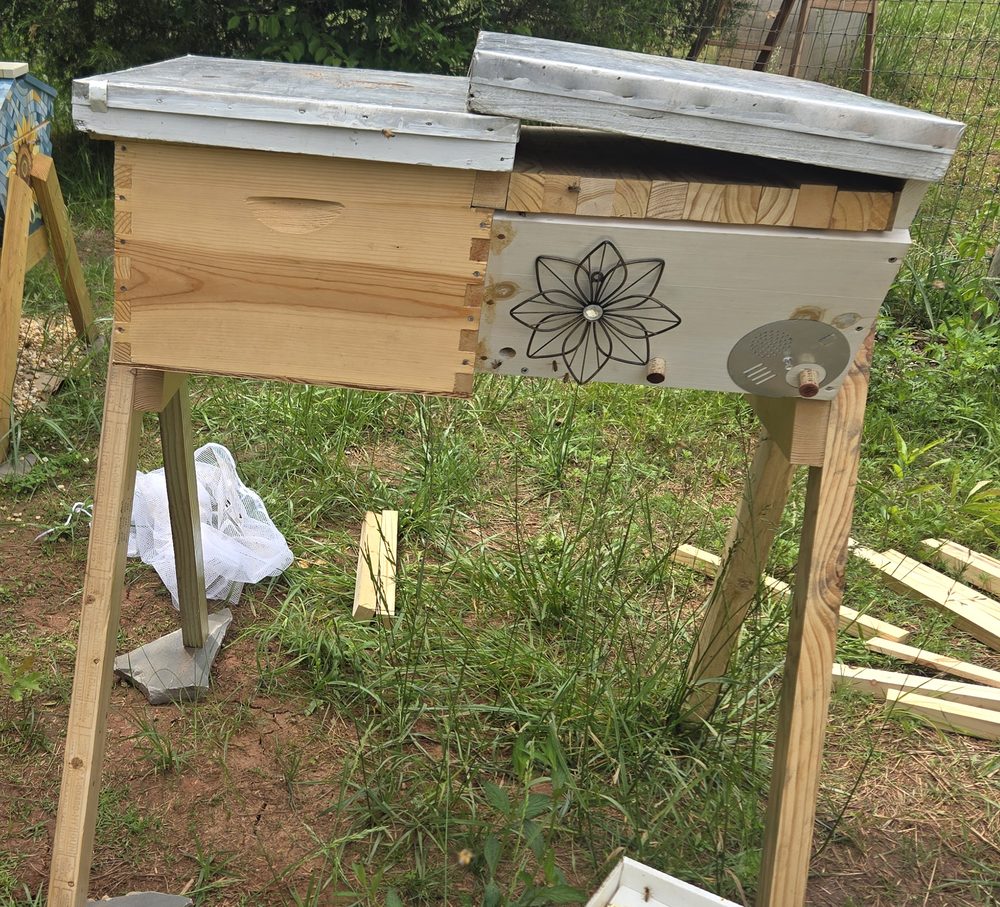
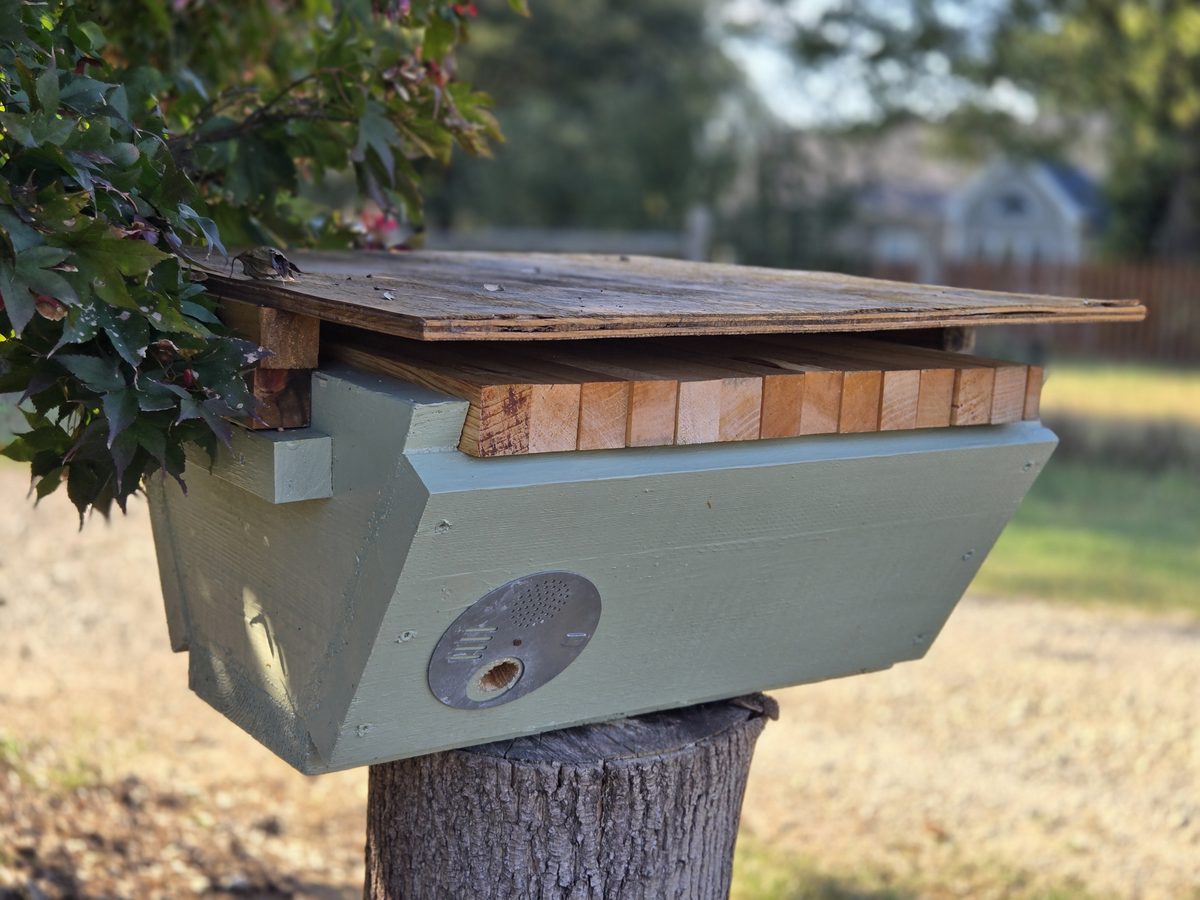
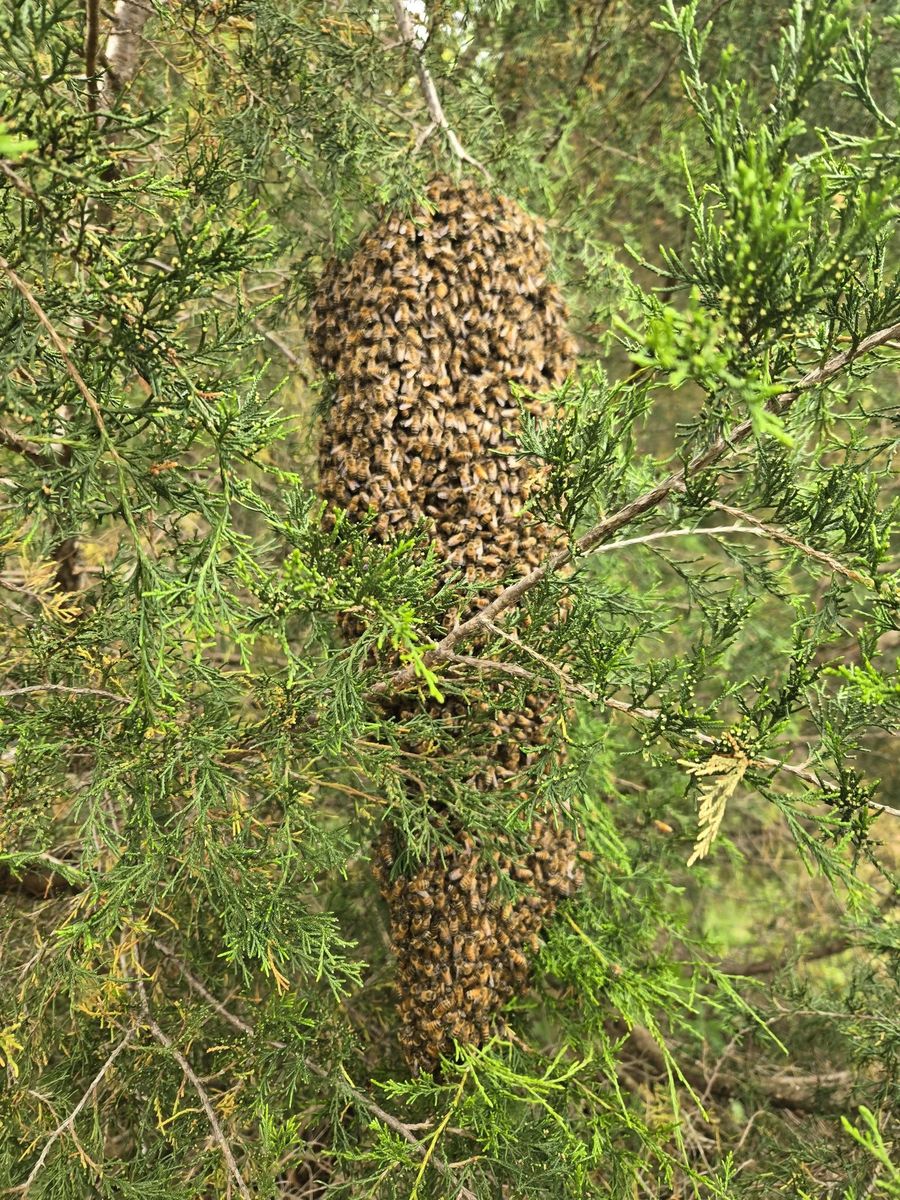
Yes, it’s supposed to look like that
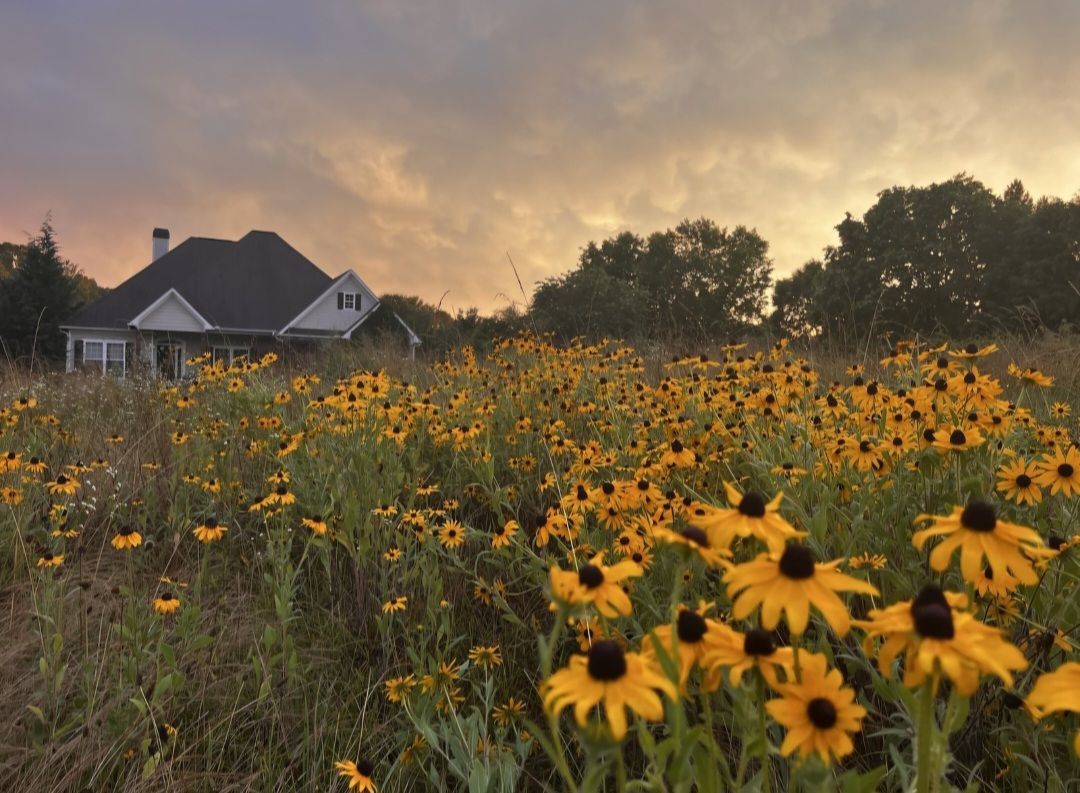
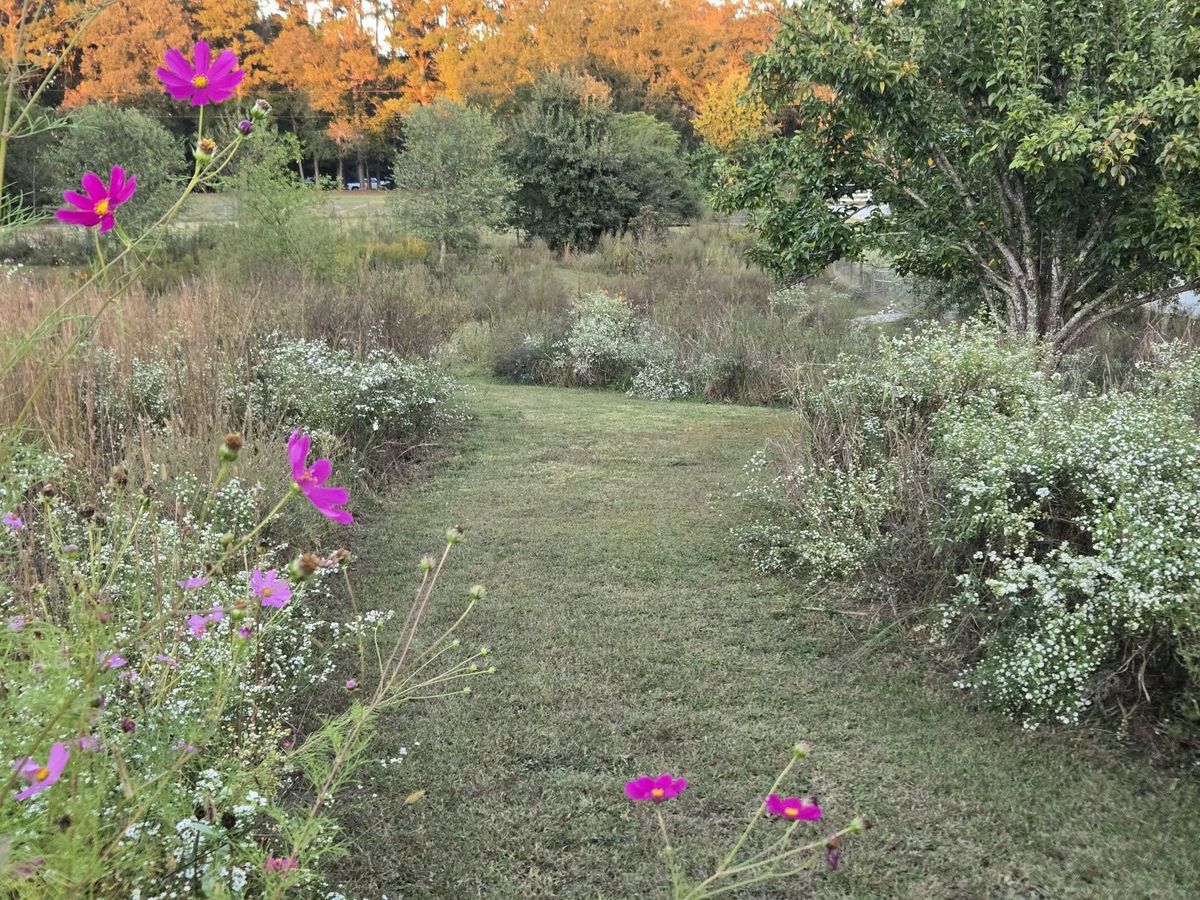
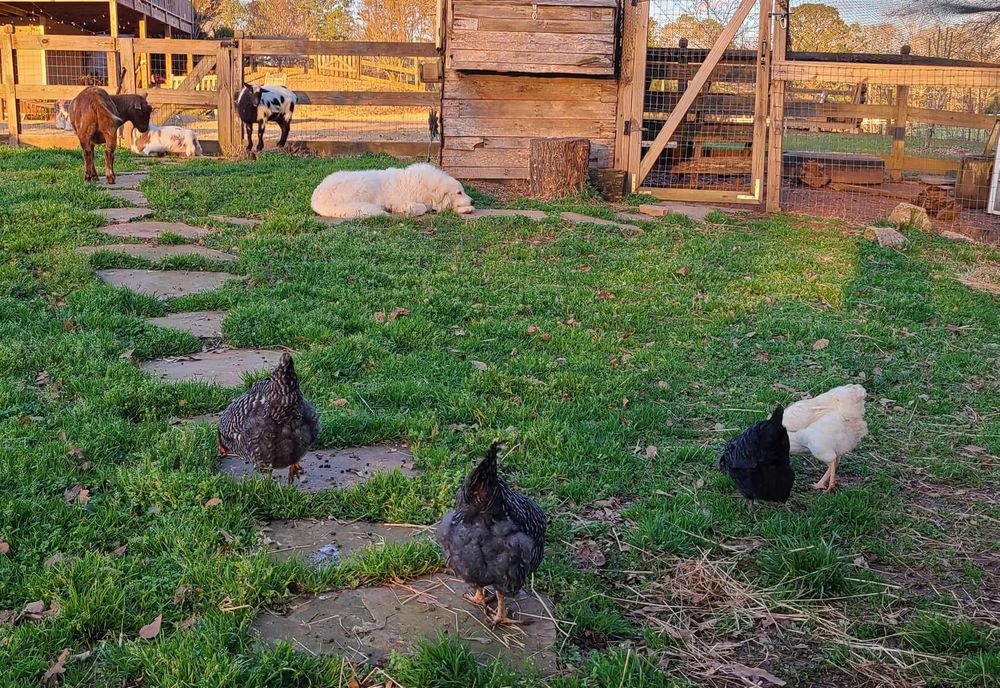
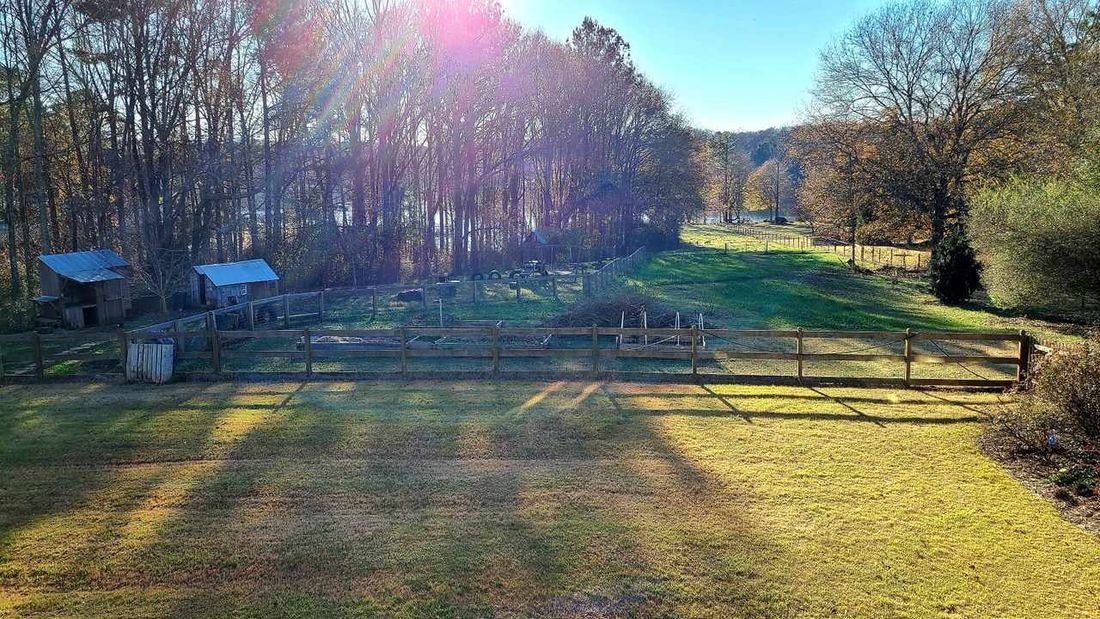
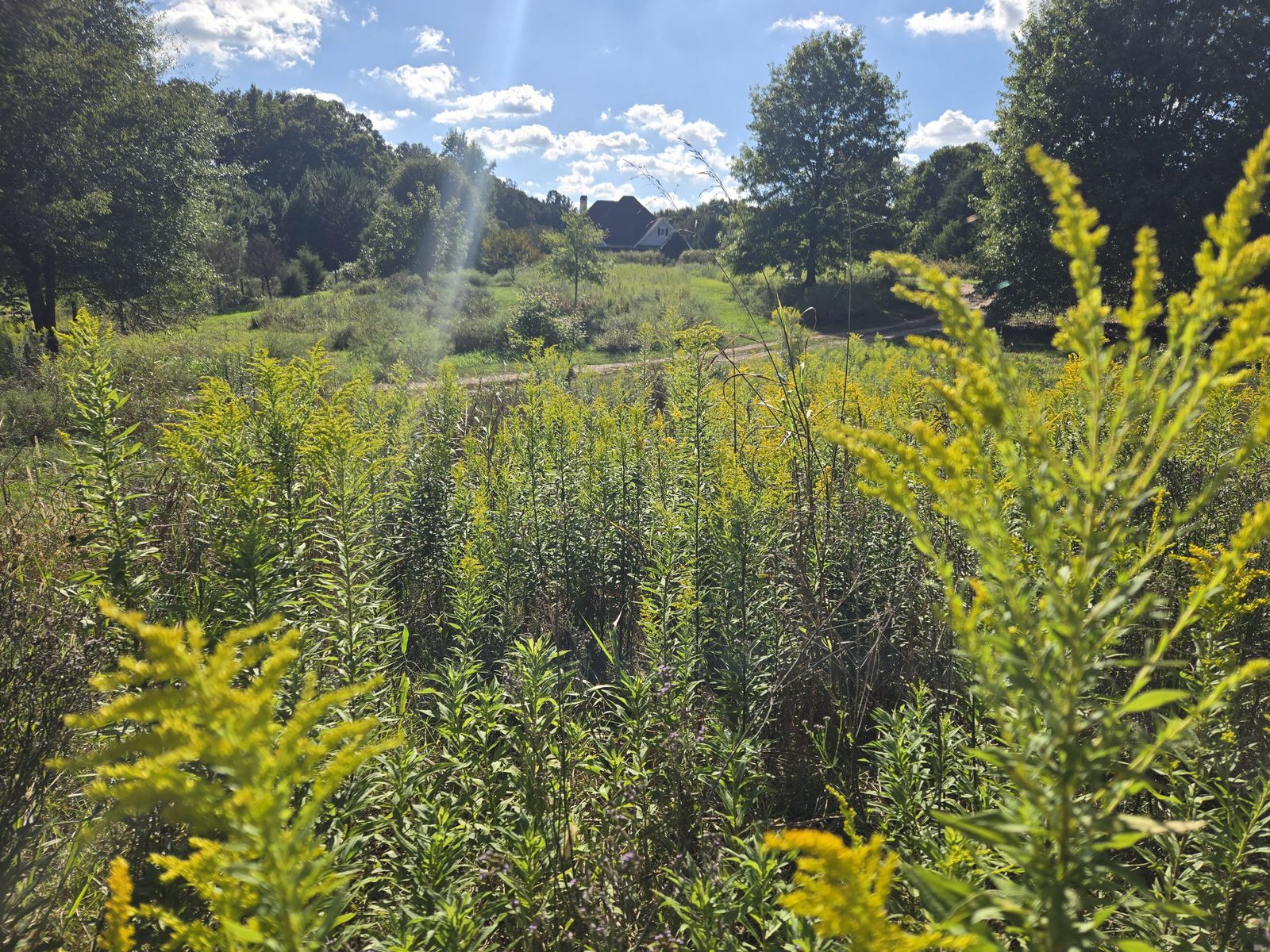
Drive down our road and you might think we foreclosed on the place. Our neighbors’ yards look like they manage golf courses for a living. Ours looks like a meadow that got away from us, and that’s exactly the point.
Mowed lawn feeds almost nothing. Tall grass, wildflowers, brush, and young native trees feed and shelter hundreds of kinds of insects, birds, and animals. We mow paths so we can walk through it and let the rest do its job.
Trees feed bees better than flowers
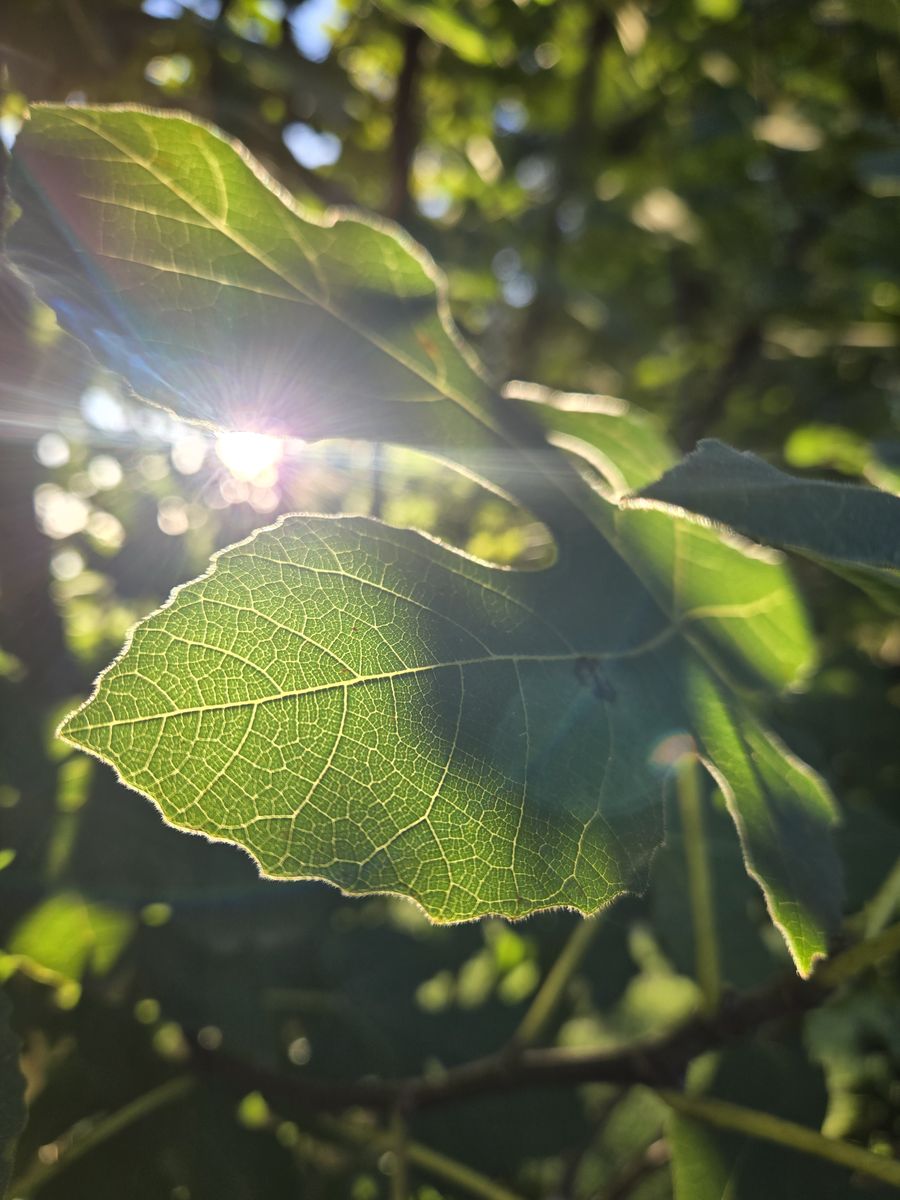
Most people picture bees on a flower bed, but some of the best bee food in Georgia grows on trees and shrubs. A single mature tree can open thousands of blooms at once, far more than a garden bed can offer. So we’ve focused on planting native trees and shrubs: the kinds of plants Georgia bees evolved with, that bloom at different times through the year, and that need no watering or spraying once they’re established.
A few favorites on the farm: tulip poplar, one of the best bee trees in Georgia, plus redbuds, willows, fringe trees, buttonbush, and American beautyberry.
A confession: we also have crape myrtles, Bradford pears, and privet. Like everyone else, we planted them before we knew any better. Now we know, and we’re working on it.
Honey bees aren’t endangered. Native bees are.
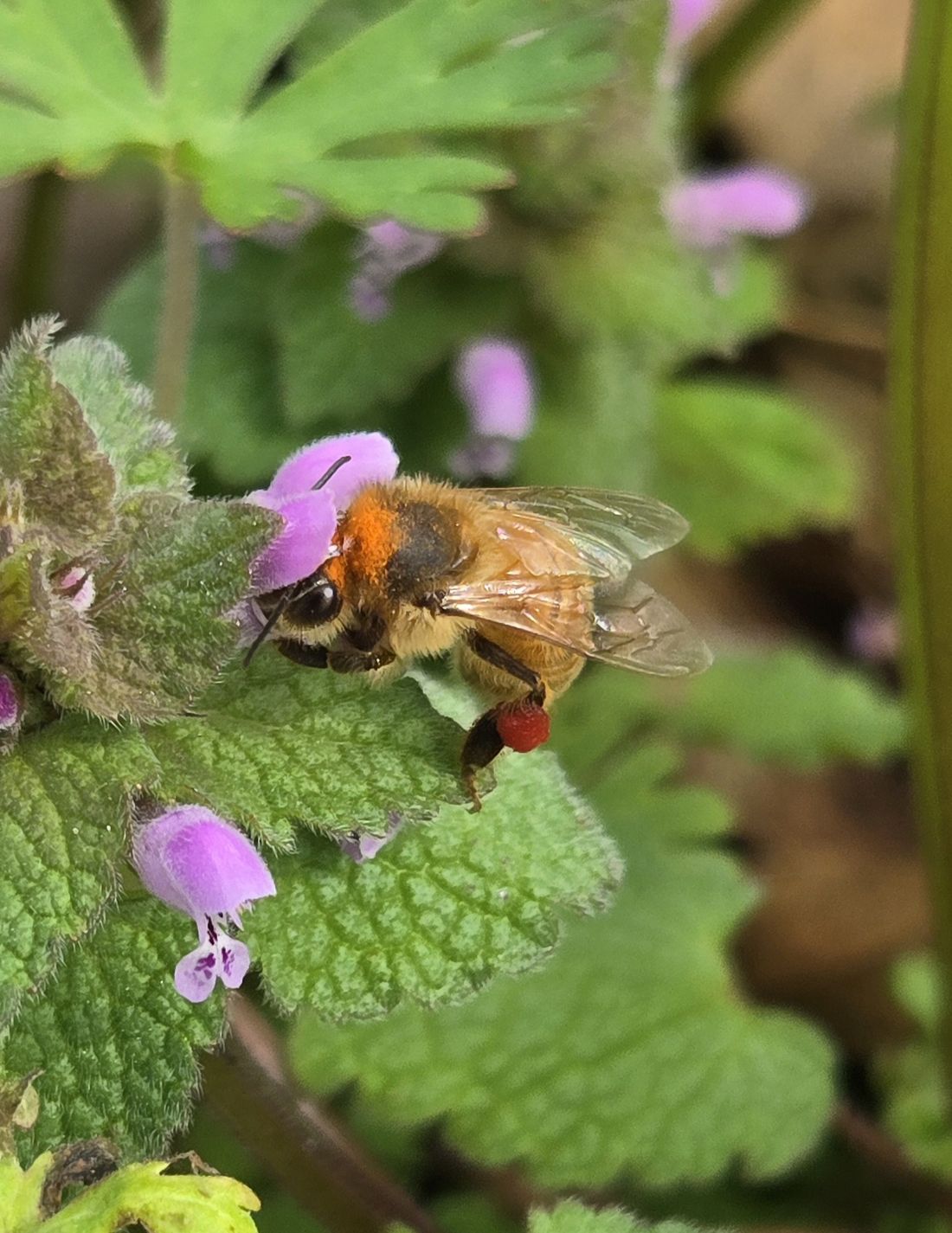
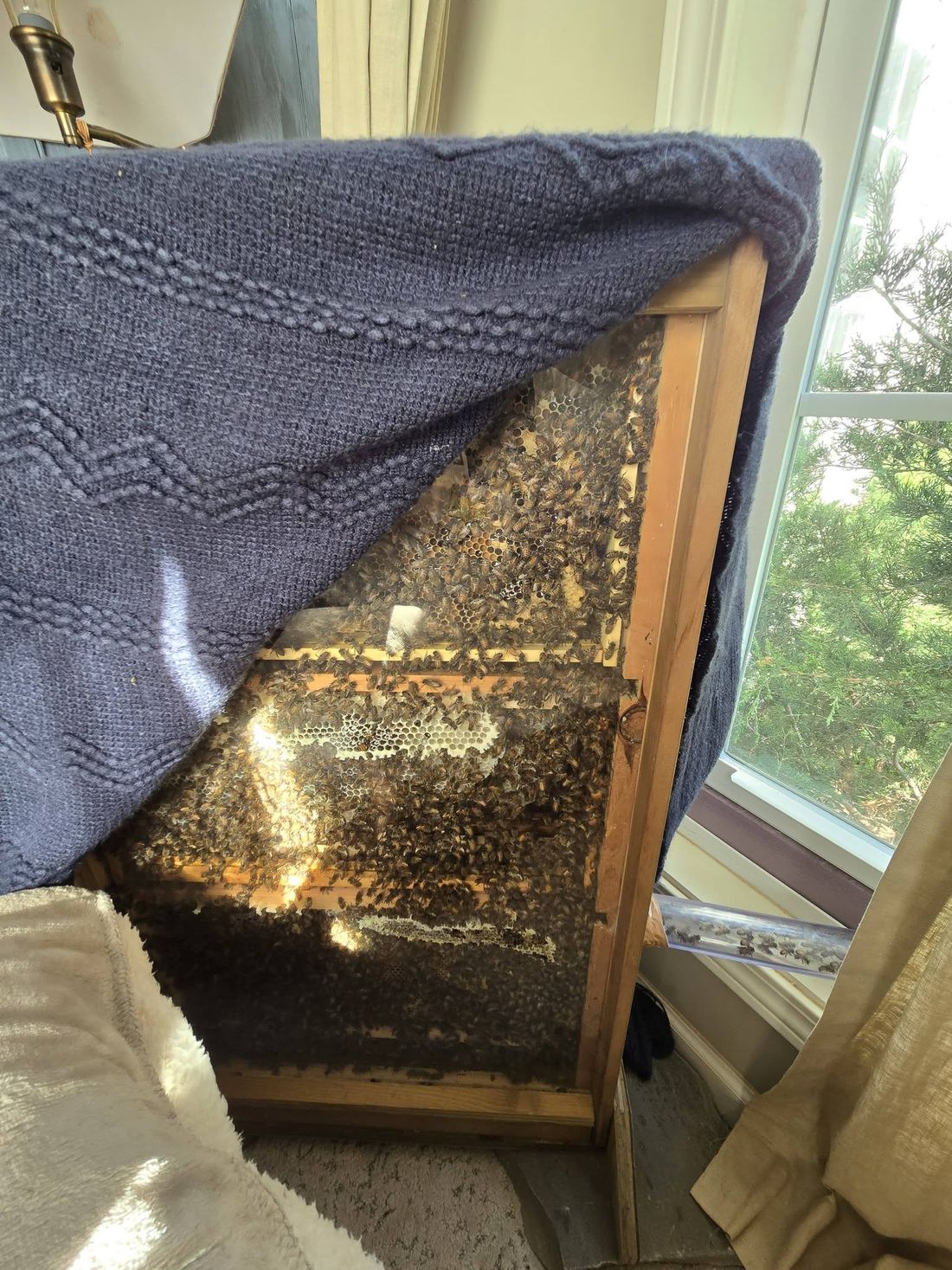
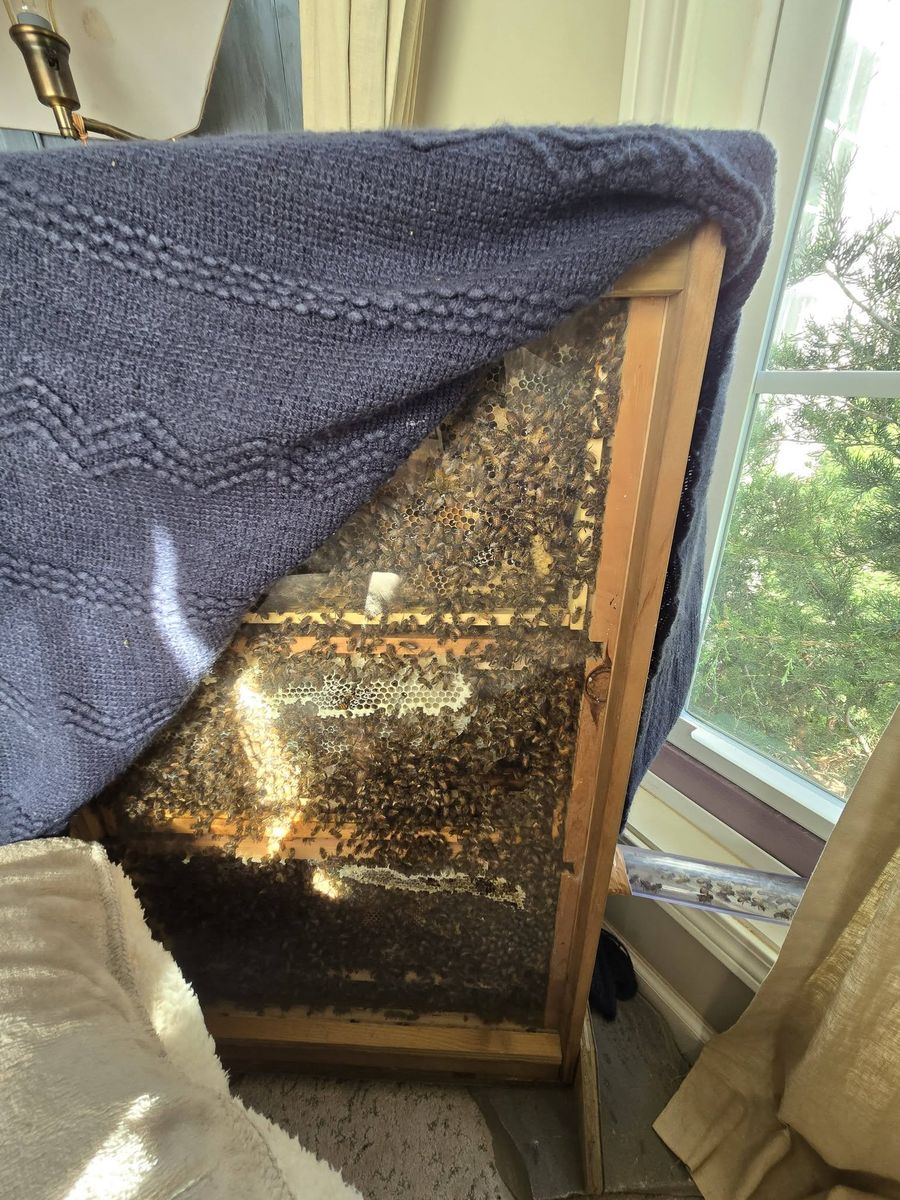
Honey bees are managed livestock, brought here from Europe in the 1600s. They aren’t at risk of disappearing. Native bees are a different story. North America has about 4,000 native bee species, many in decline, and some, like the rusty patched bumble bee, are now federally endangered.
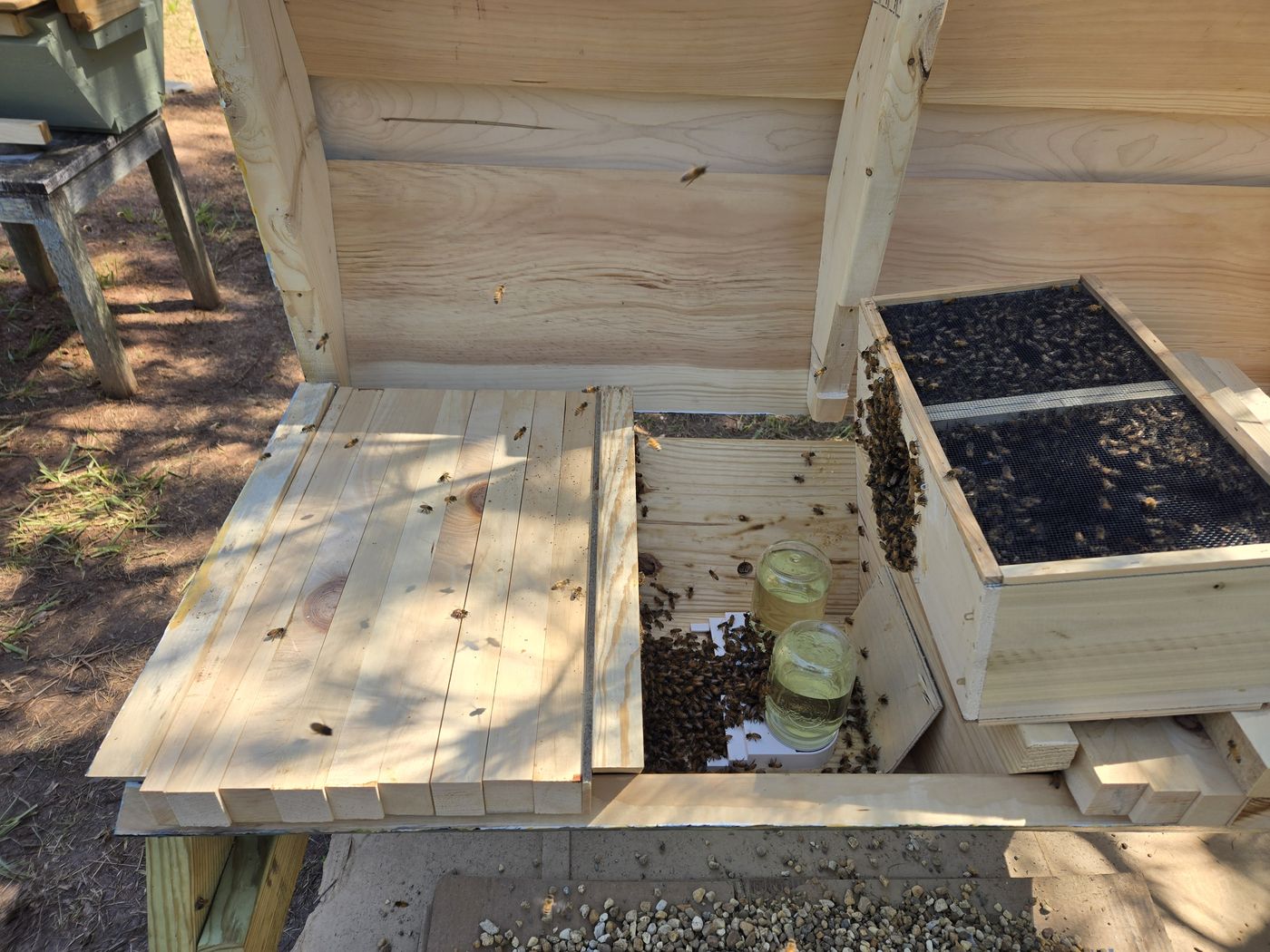
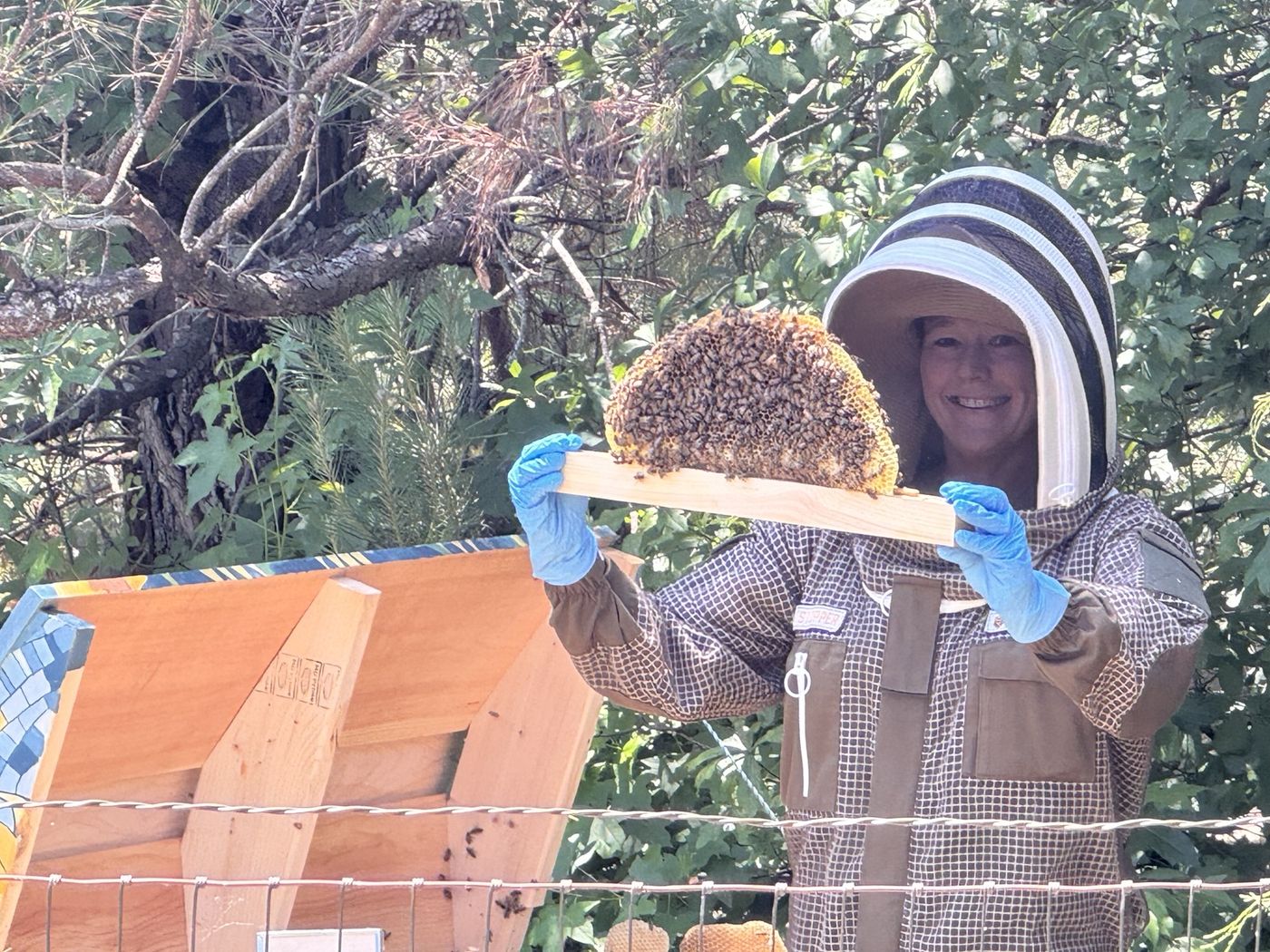
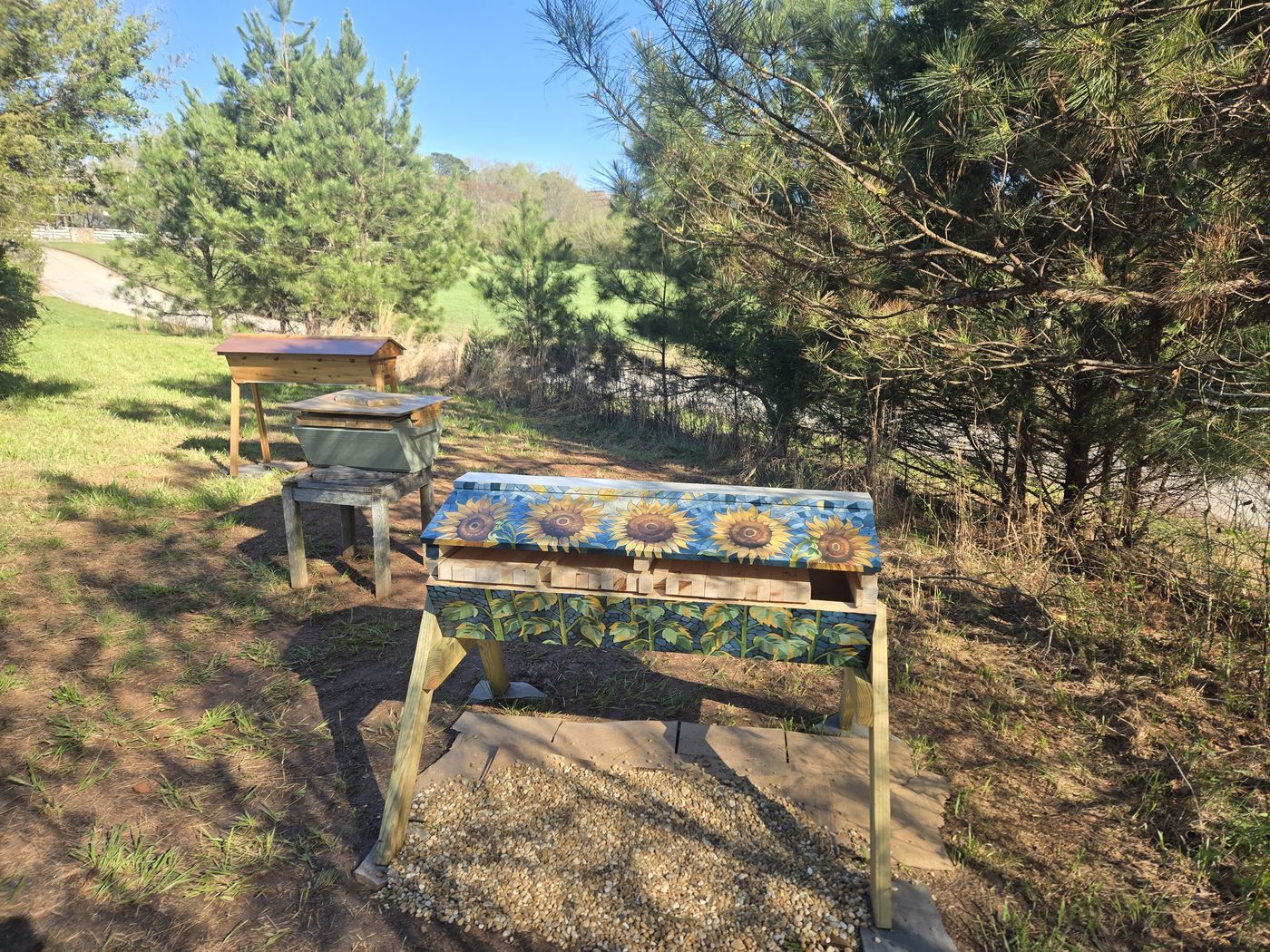
Too many honey bee hives in one place can crowd native bees out of the food they need. That’s why we keep our apiary small, never more than one or two hives per acre, and why we count pollinators every month. The counts tell us how the whole community is doing, not just our honey bees.
How we support native bees
- Bare ground: most native bees nest in the soil, so we leave sunny, unmulched patches undisturbed.
- Standing stems and dead wood: many others nest in hollow stems and old wood, so we leave them standing through winter.
- Brush piles and leaf litter: shelter for overwintering bees, butterflies, and other insects.
- No pesticides: nothing sprayed on the property, ever.
- Native plants: blooms from early spring through late fall so there’s always something to eat.
Coming soon
Georgia: plant this, not that
Swap a common invasive or low-value plant for a native that feeds pollinators. Here’s a preview; the full guide is on the way.
| Instead of | Plant this | Why |
|---|---|---|
| ✗ Bradford (Callery) pear | ✓ Serviceberry or Chickasaw plum | Early spring blooms for bees without spreading into fields and woods |
| ✗ Chinese privet | ✓ Sparkleberry or American beautyberry | Privet takes over Georgia forests; these natives feed bees and birds |
| ✗ Crape myrtle | ✓ Sourwood or buttonbush | Crape myrtles give bees pollen but no nectar; these natives bloom in summer and are full of nectar |
| ✗ Nandina | ✓ Virginia sweetspire | Nandina berries can be toxic to birds; sweetspire is a bee magnet in late spring |
| ✗ Japanese honeysuckle | ✓ Coral honeysuckle | A well-behaved native vine loved by hummingbirds and bees |